

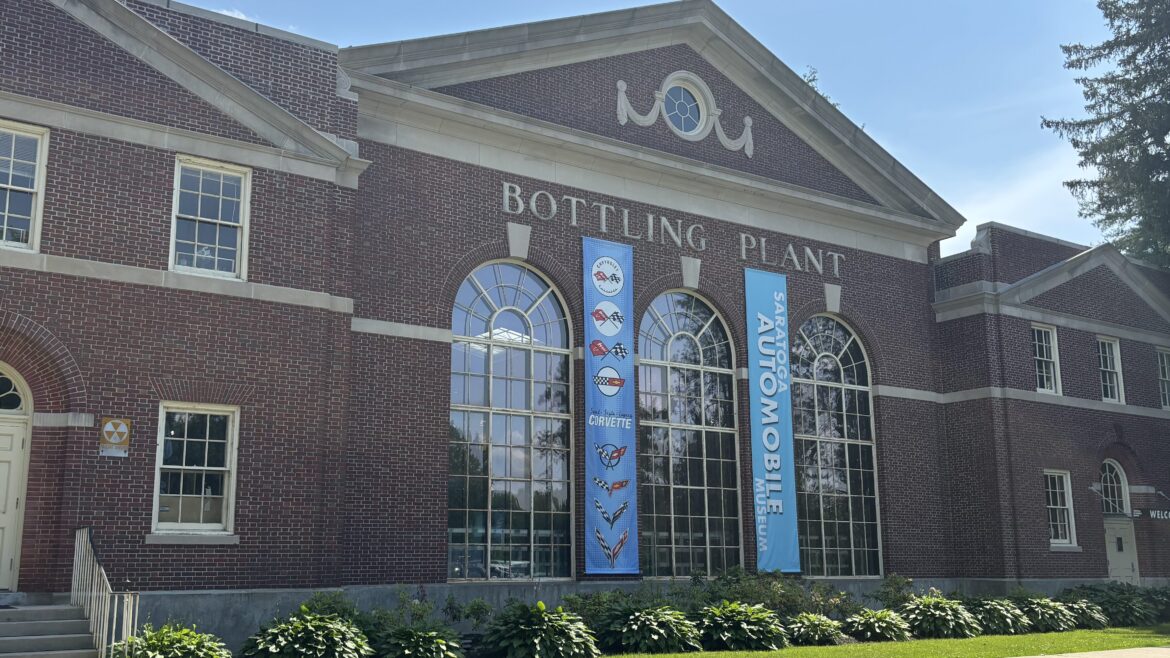
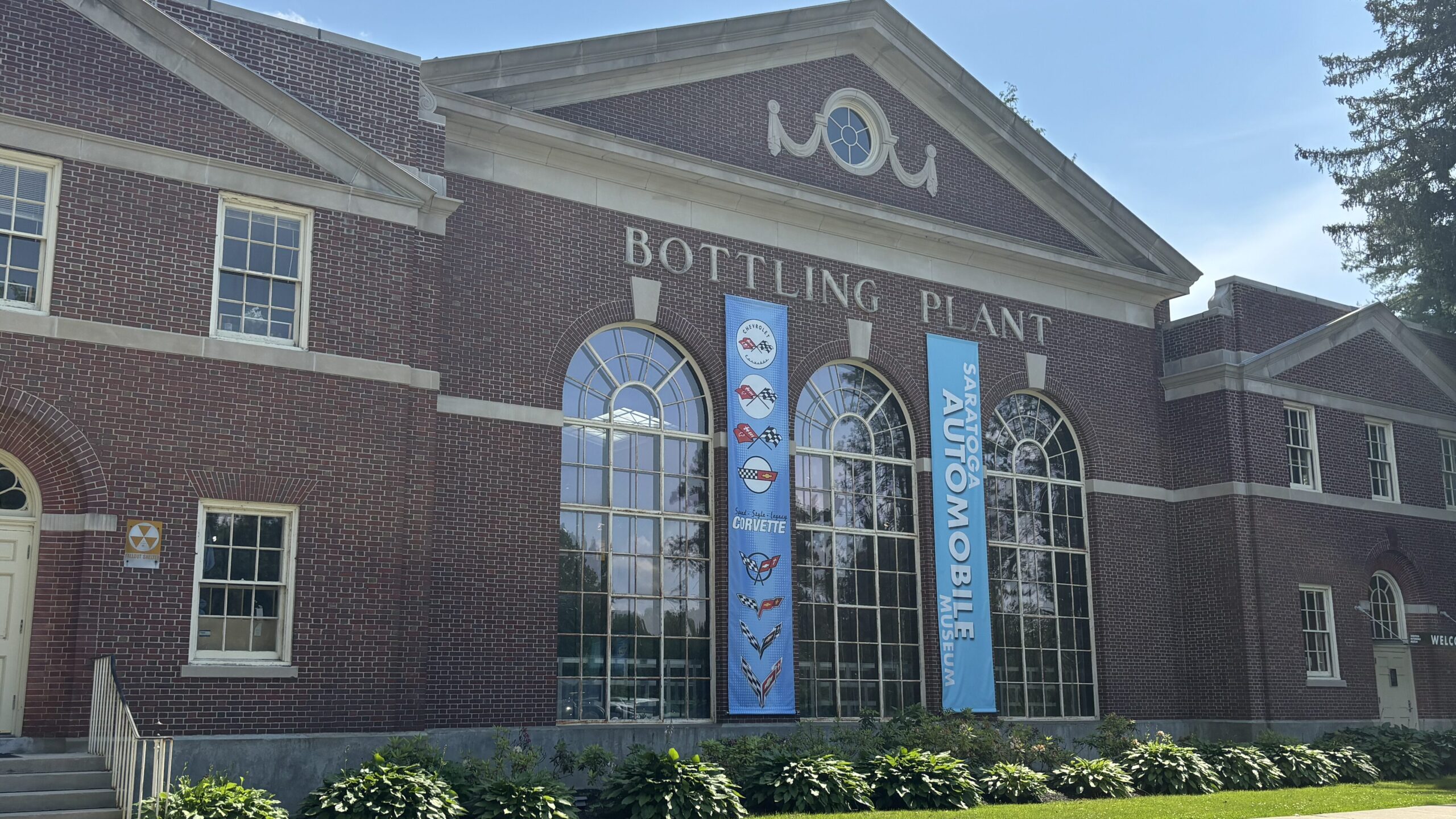
The Saratoga Automobile Museum is located within Saratoga Spa State Park, set inside the historic former Saratoga Spring Water Bottling Plant. The building’s brick exterior and tall windows give it a sense of character before you step inside. It feels like a place where history is kept intact, not only through the cars on display but through the architecture. The museum fits naturally into the rhythm of the park, surrounded by towering pine trees, walking paths, and mineral springs.
The main showcase floor features rotating exhibits that change throughout the year, which means each visit offers something new. One season might highlight the elegance of pre‑war automobiles, while another focuses on muscle cars, racing heritage, or design innovation. The vehicles are arranged with care, giving each one room to breathe. You can walk around them, study the details, and appreciate the craftsmanship without feeling rushed.
The second floor holds a series of semi‑permanent exhibits that explore broader themes in automotive culture. These displays often highlight New York’s racing history, the evolution of car design, or the impact of automobiles on American life. The storytelling here is thoughtful and accessible. Placards are clear and informative, and the museum does a good job of connecting each vehicle to the era it represents. It is easy to lose track of time as you move from one gallery to the next, noticing small details like the curve of a fender, the stitching on a leather seat, or the patina on a well‑used race car.
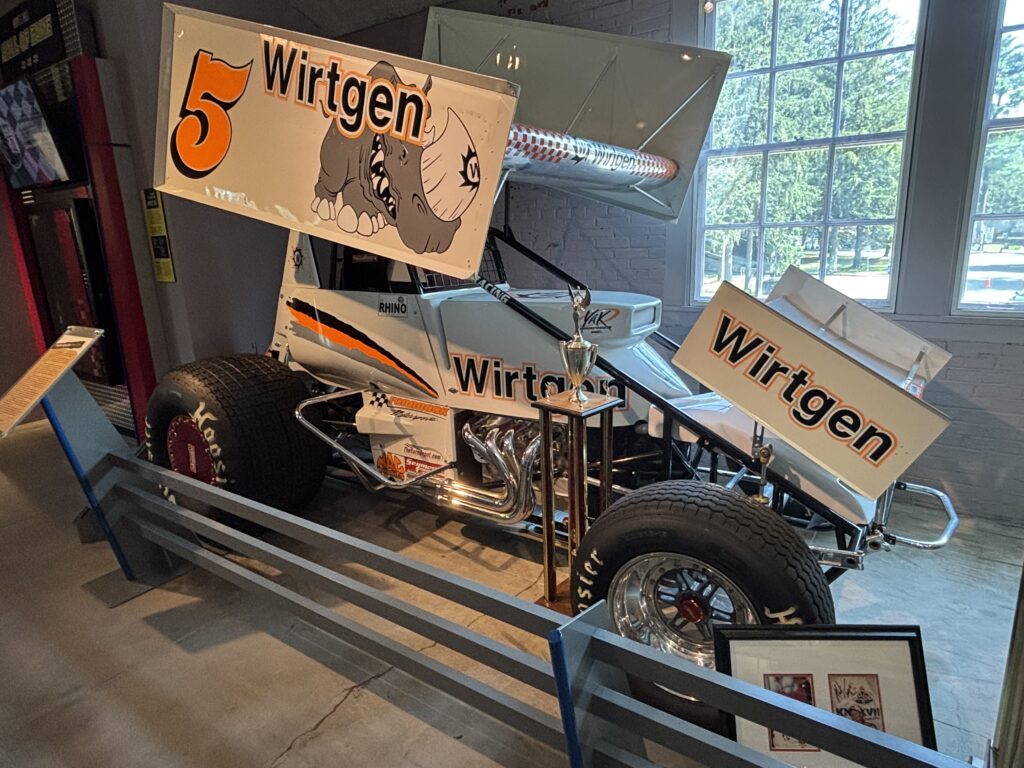
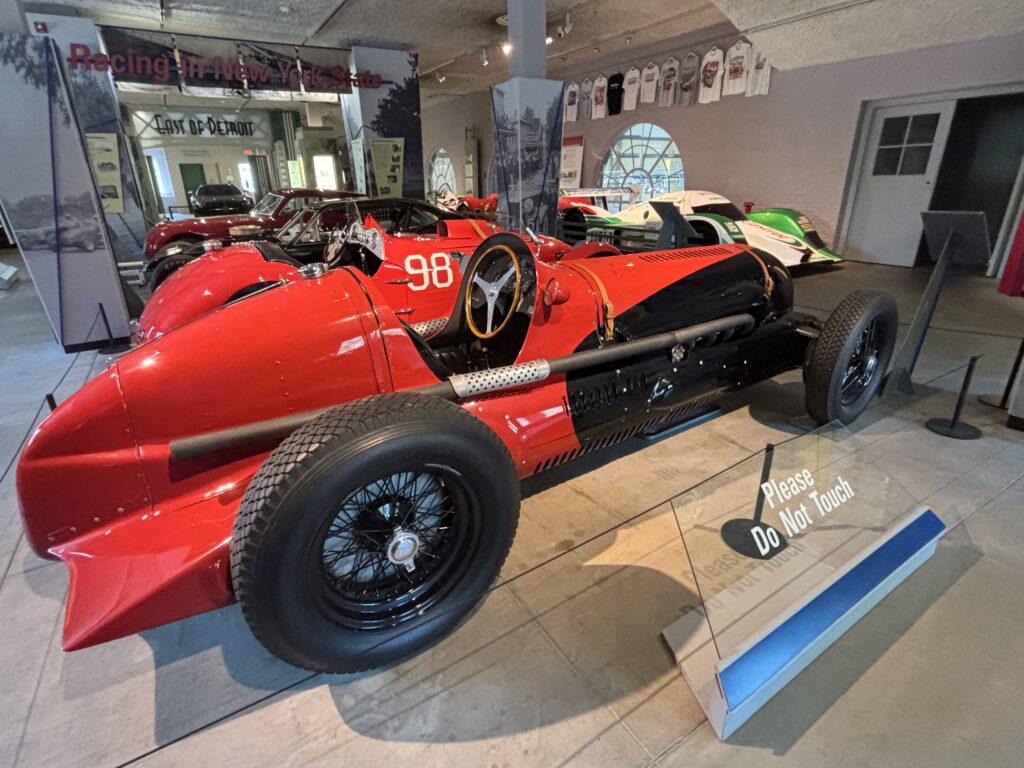
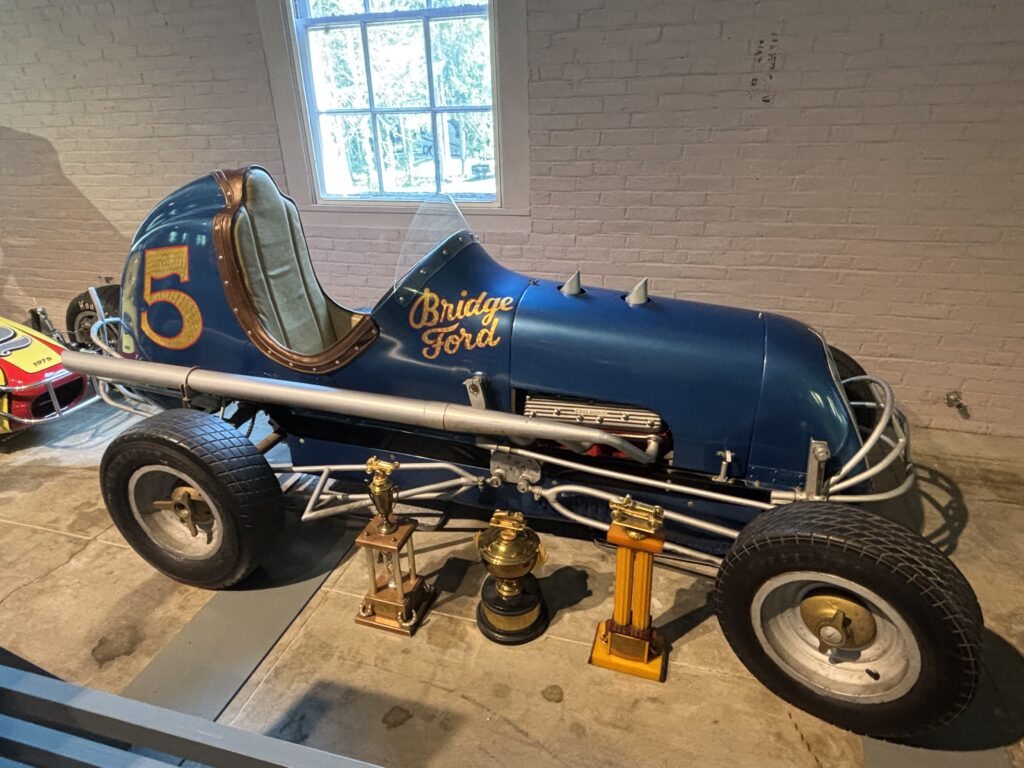
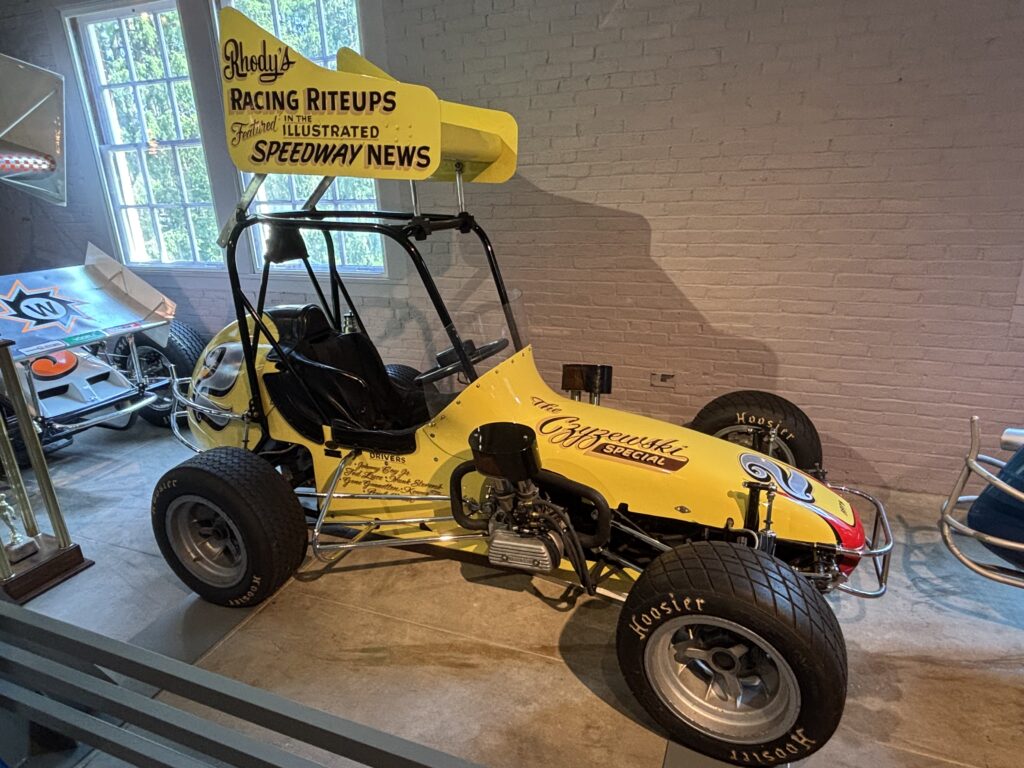
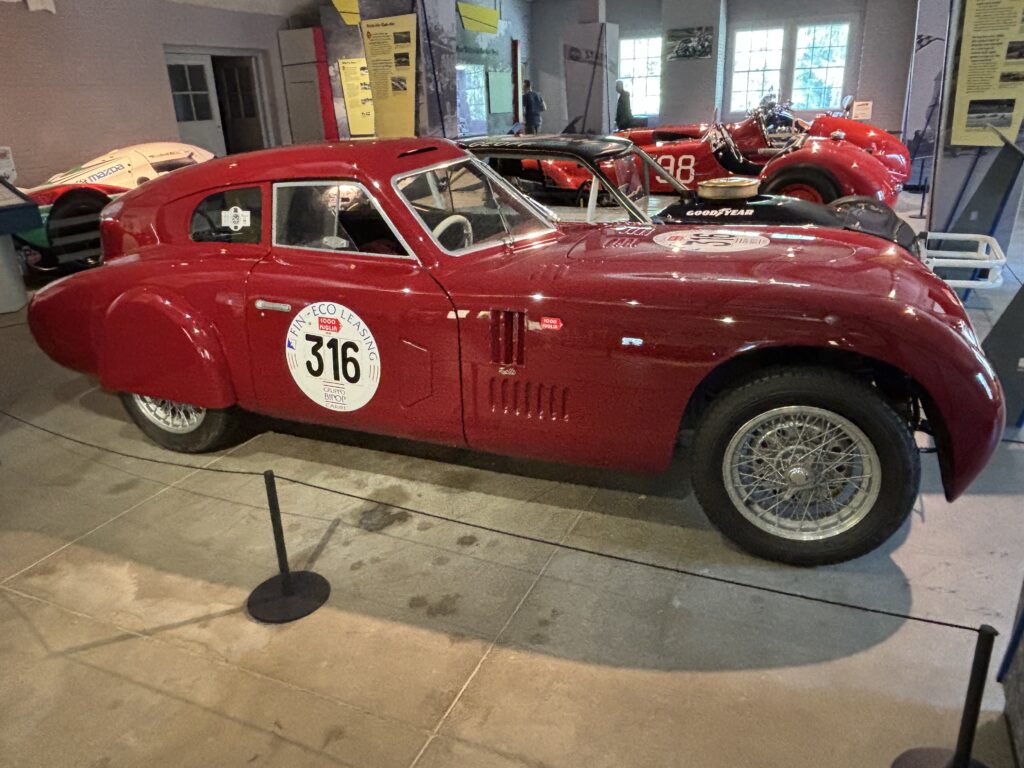
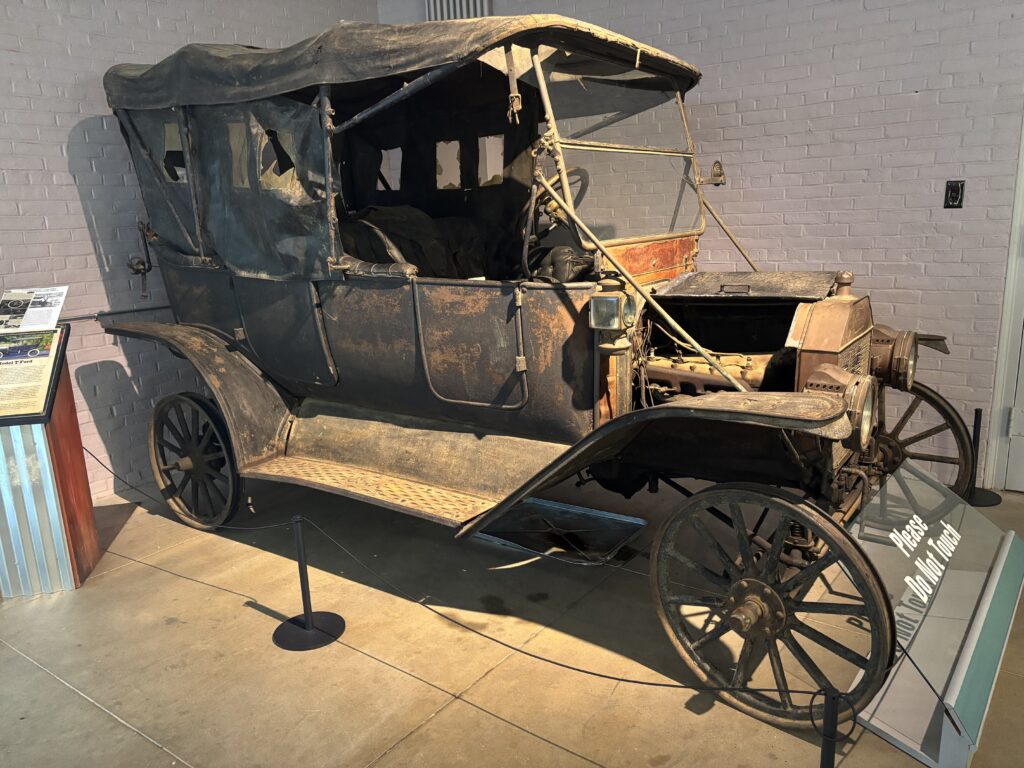
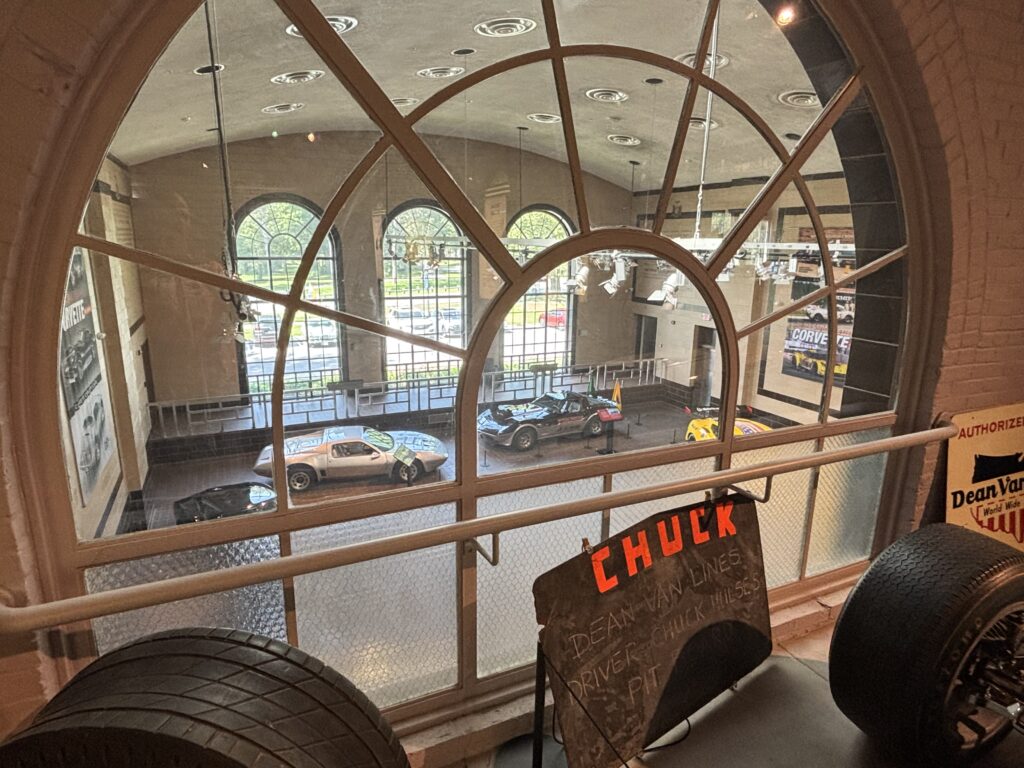
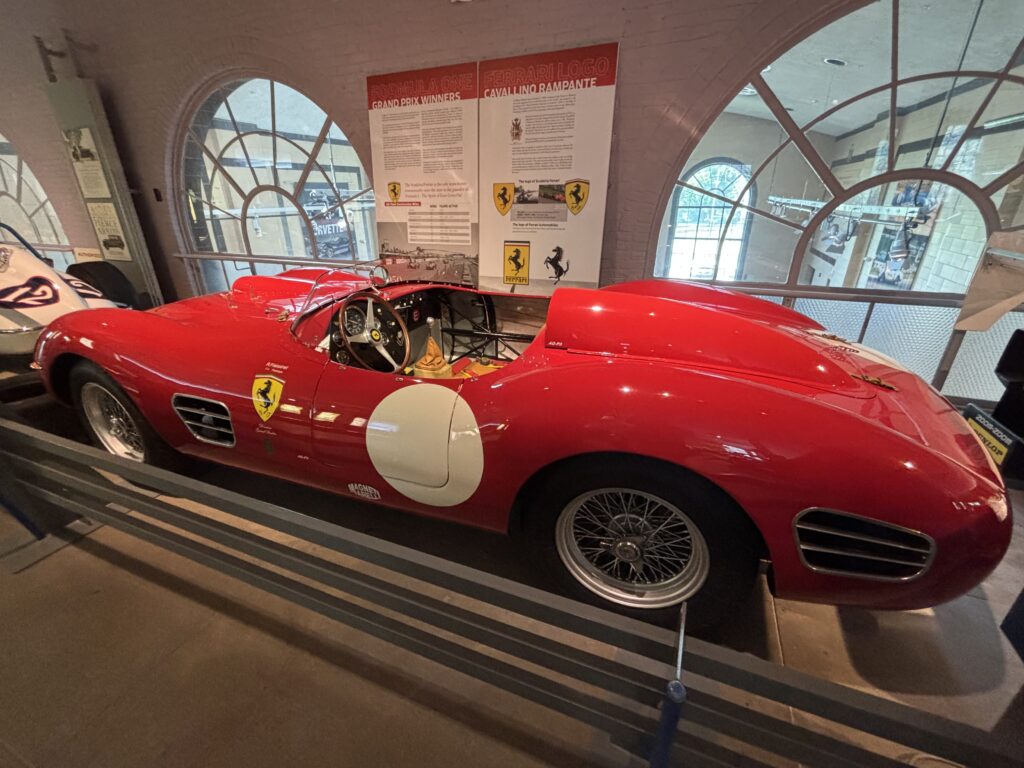

The second floor features historic cars and showcases racing’s legacy. (Photos by Thom Hanford)
In June, I visited the Corvette exhibition, titled “Speed, Style, Legacy.” The exhibits feature Chevrolet Corvettes from its first 1953 iteration to current production models. The early models showcase the simplicity and optimism of mid‑century American automotive design, with clean lines, bright colors, and interiors that felt sculptural. Later models introduce sharper angles, more aggressive stances, and technological leaps that pushed the Corvette into true performance and supercar territory.
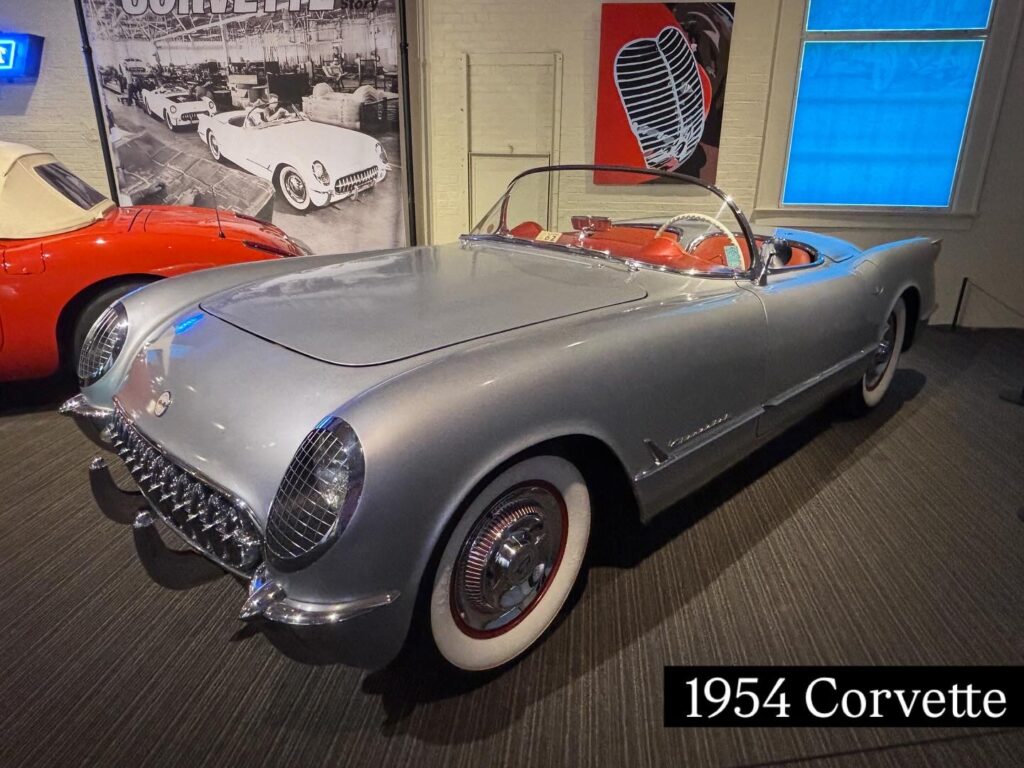
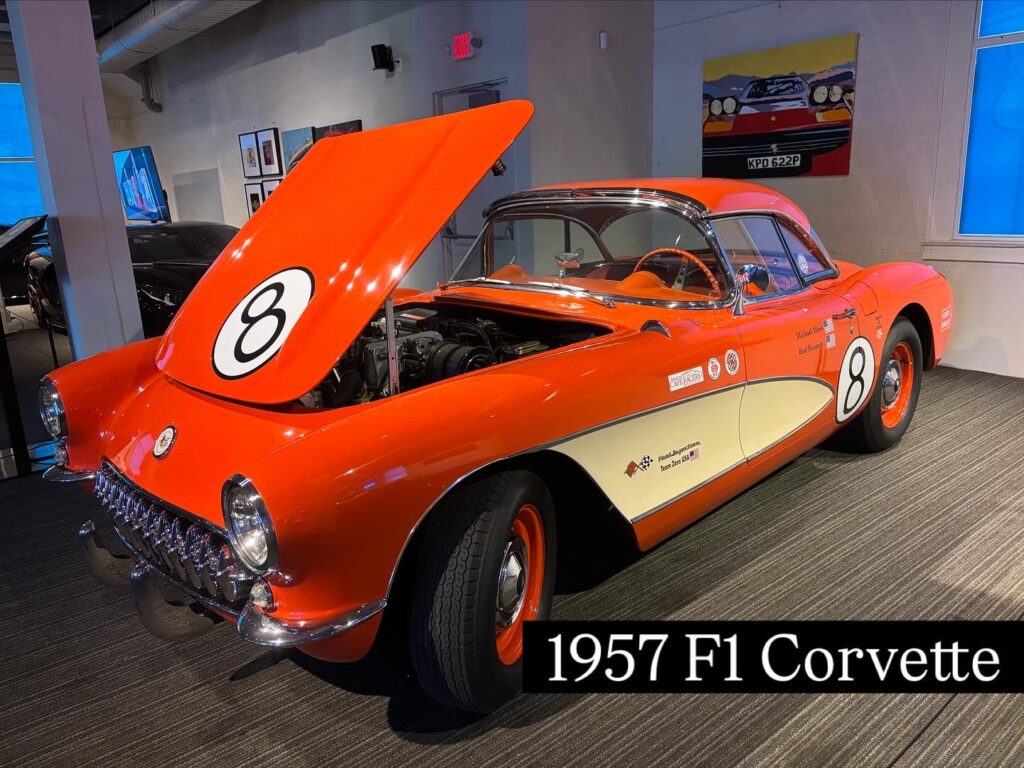
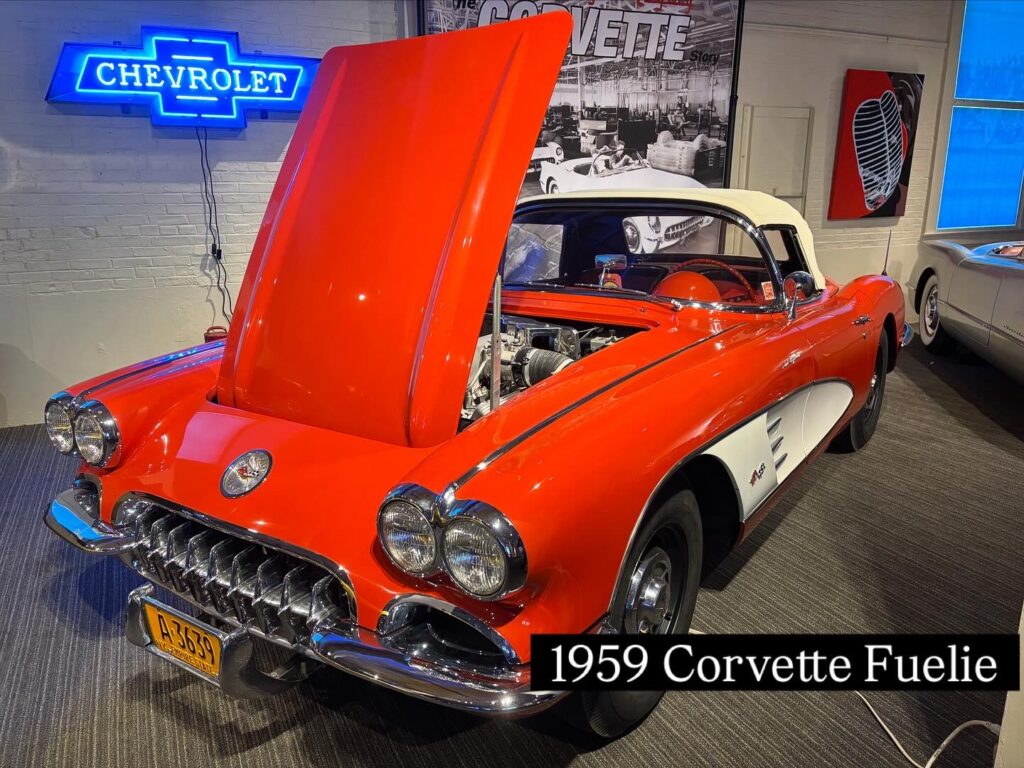
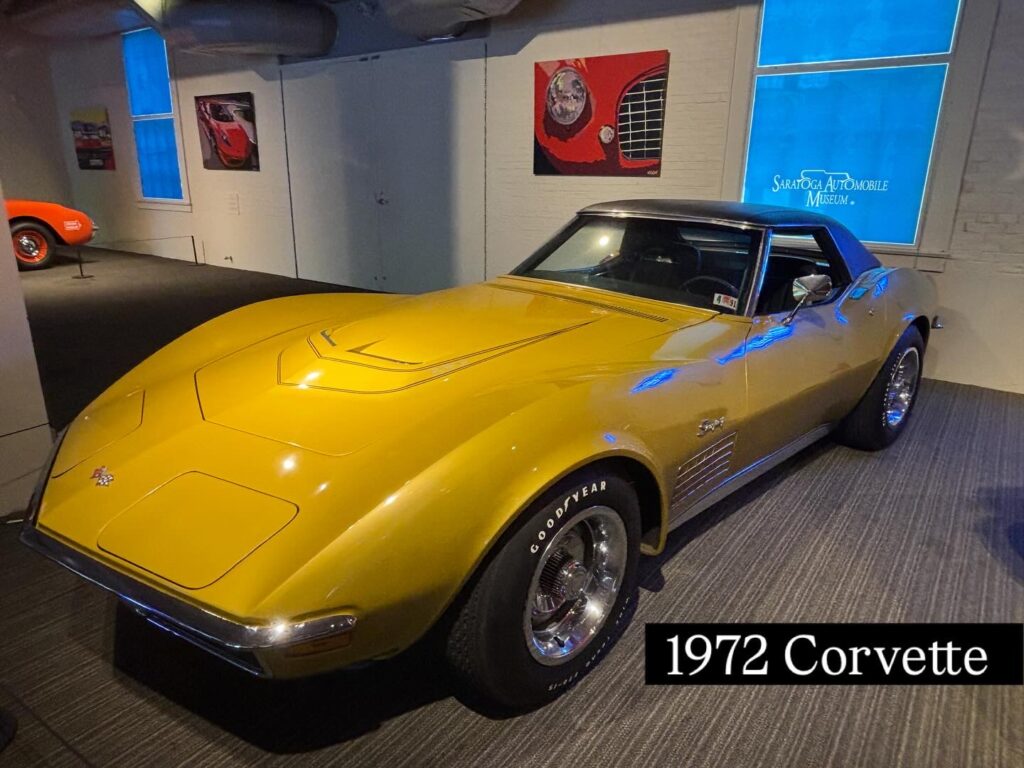
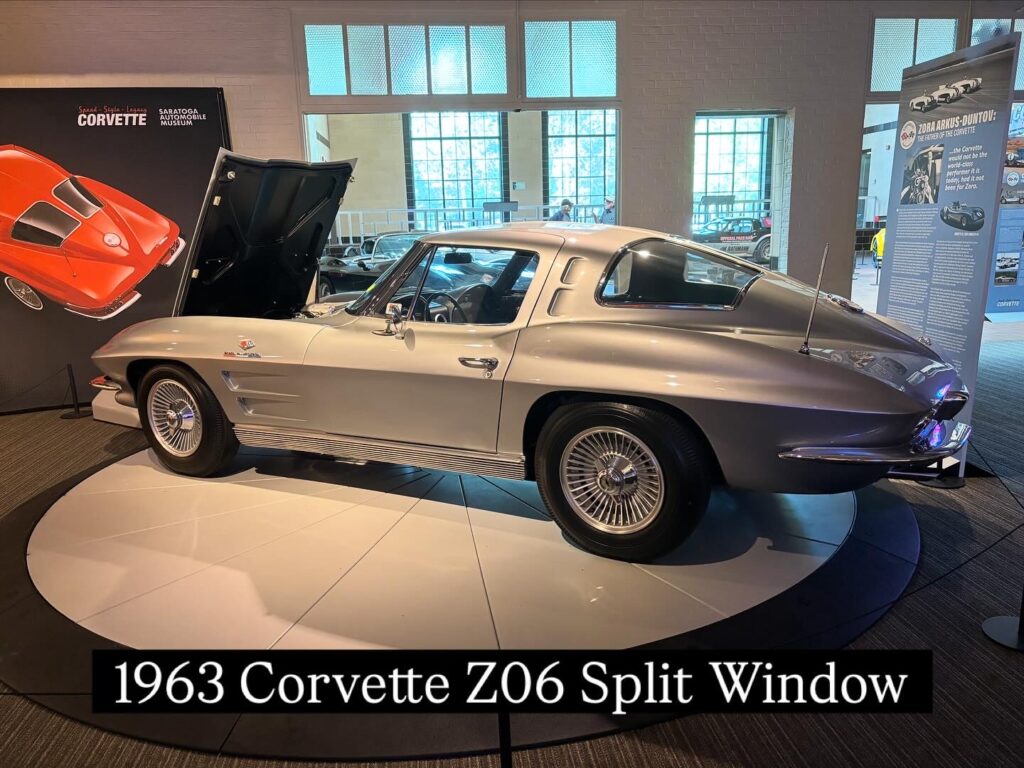

The exhibit did a great job of showcasing how the Corvette shaped American automotive culture. Interpretive signage explained how each generation responded to changing tastes, new engineering advances, and the shifting identity of an American sports car. The storytelling is clear and accessible, making it easy to understand why the Corvette became a lasting symbol of speed and performance. Visitors can trace how the car moved from experimentation to modern aerodynamic precision.
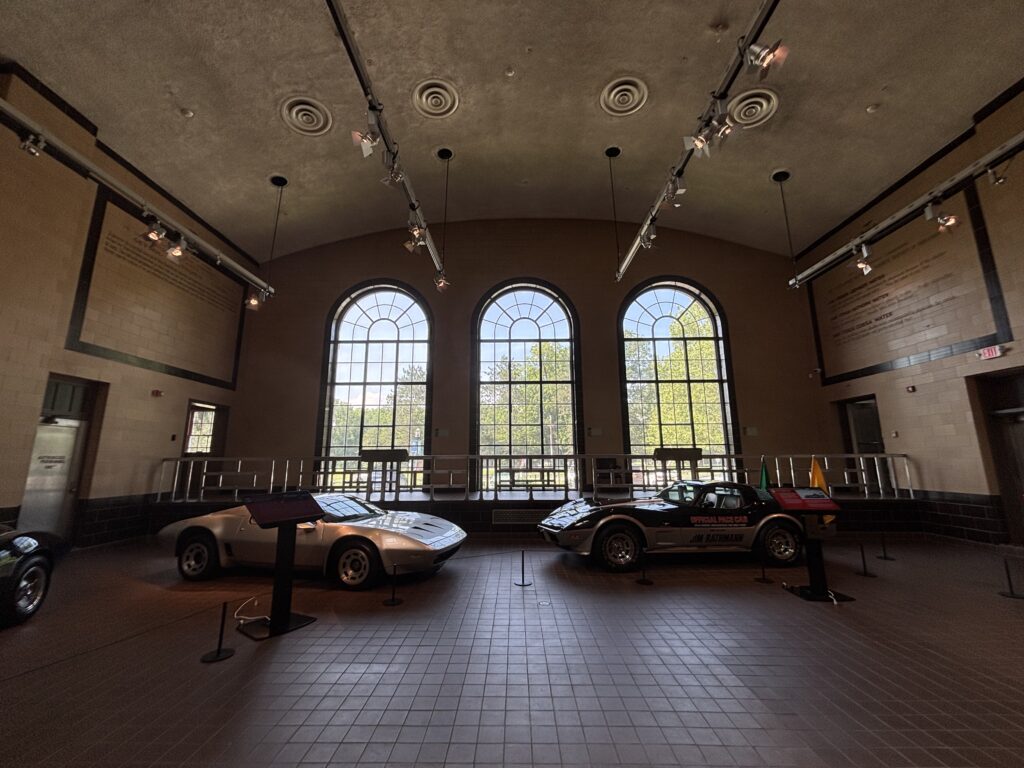

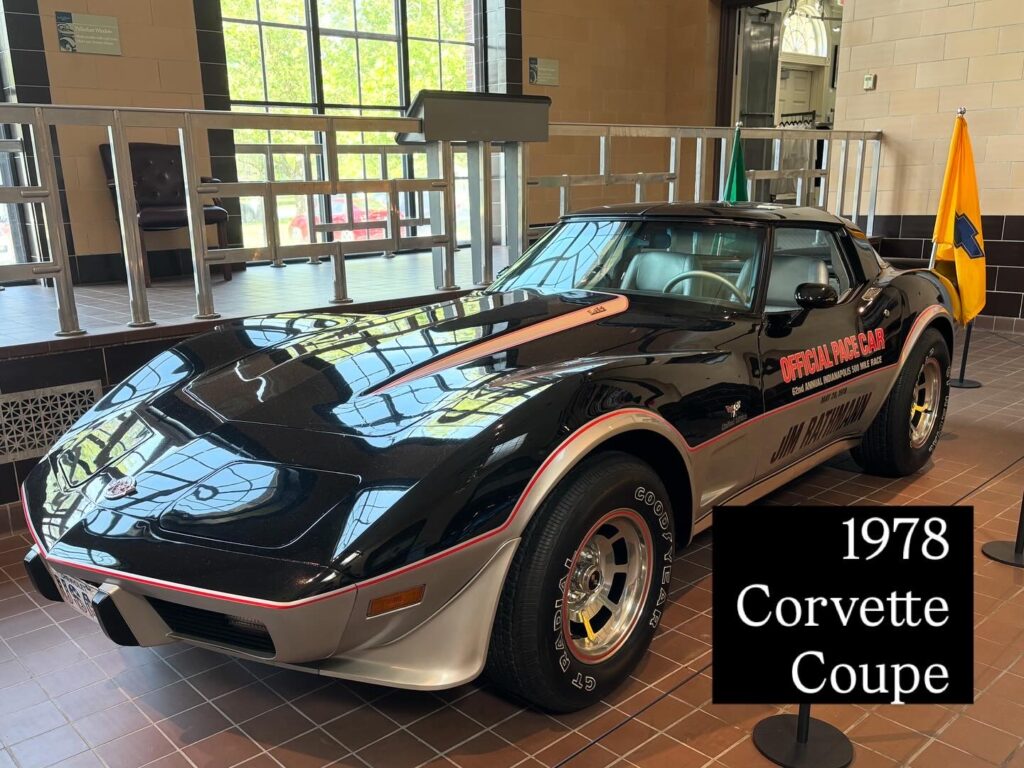
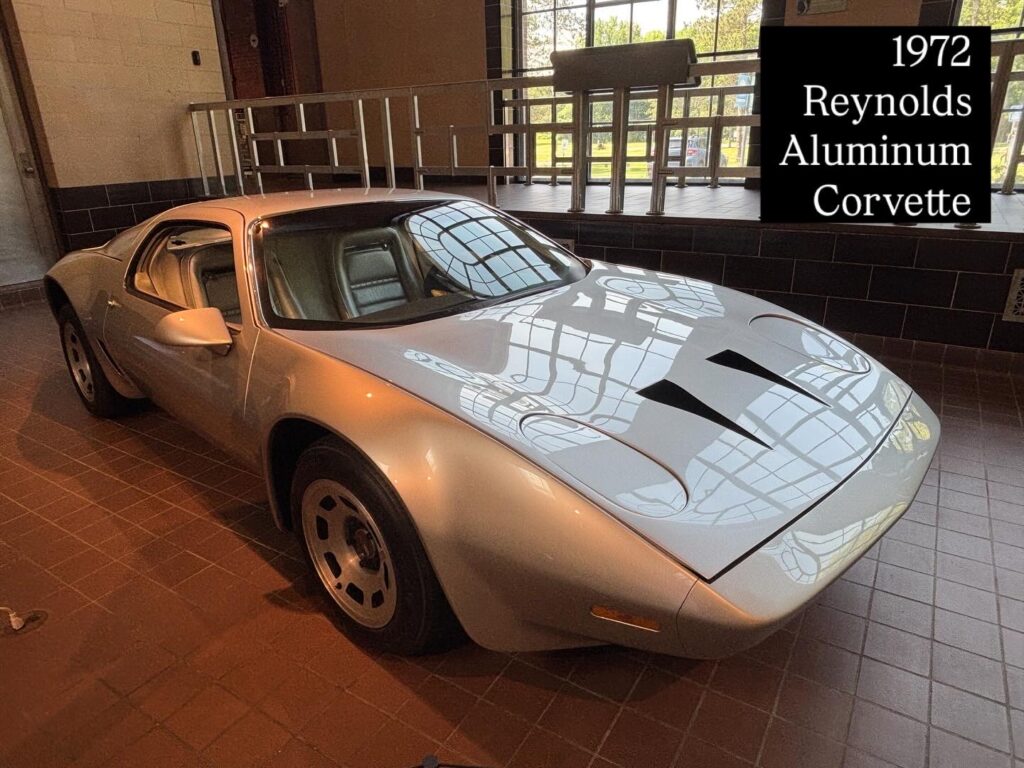
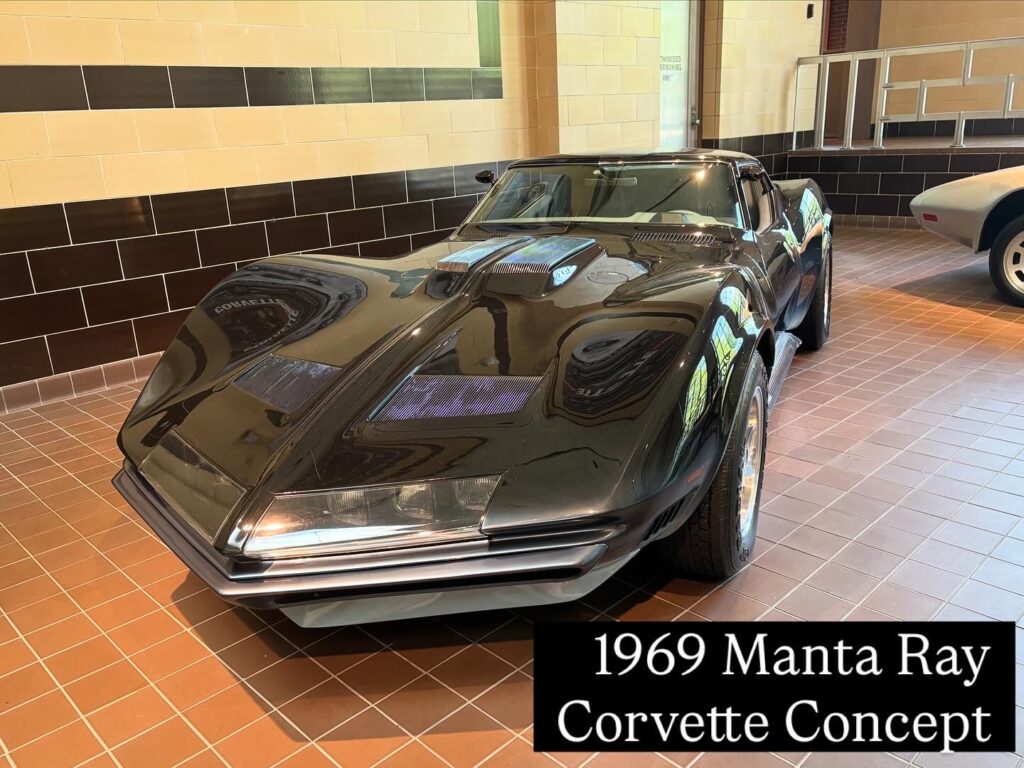
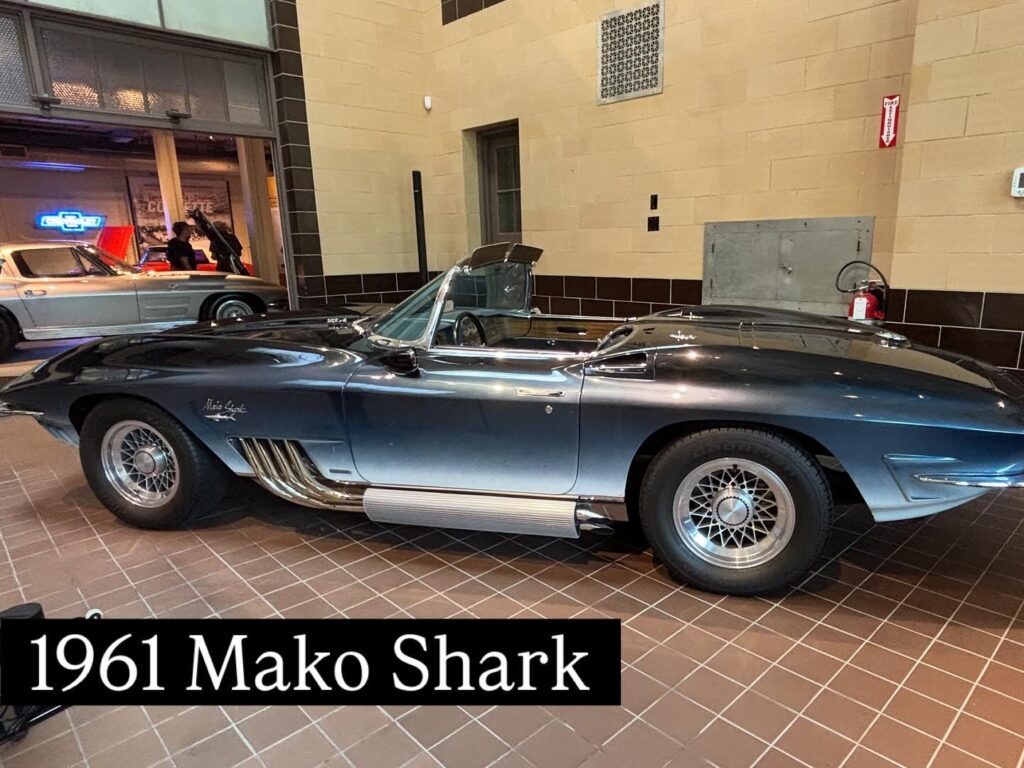
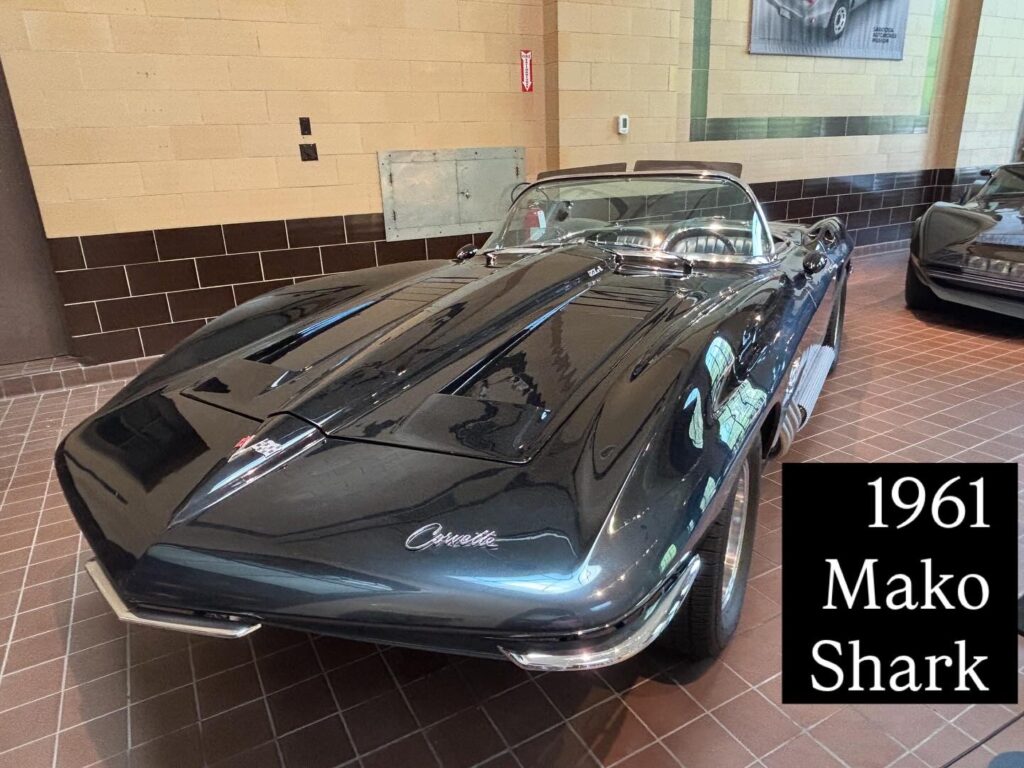
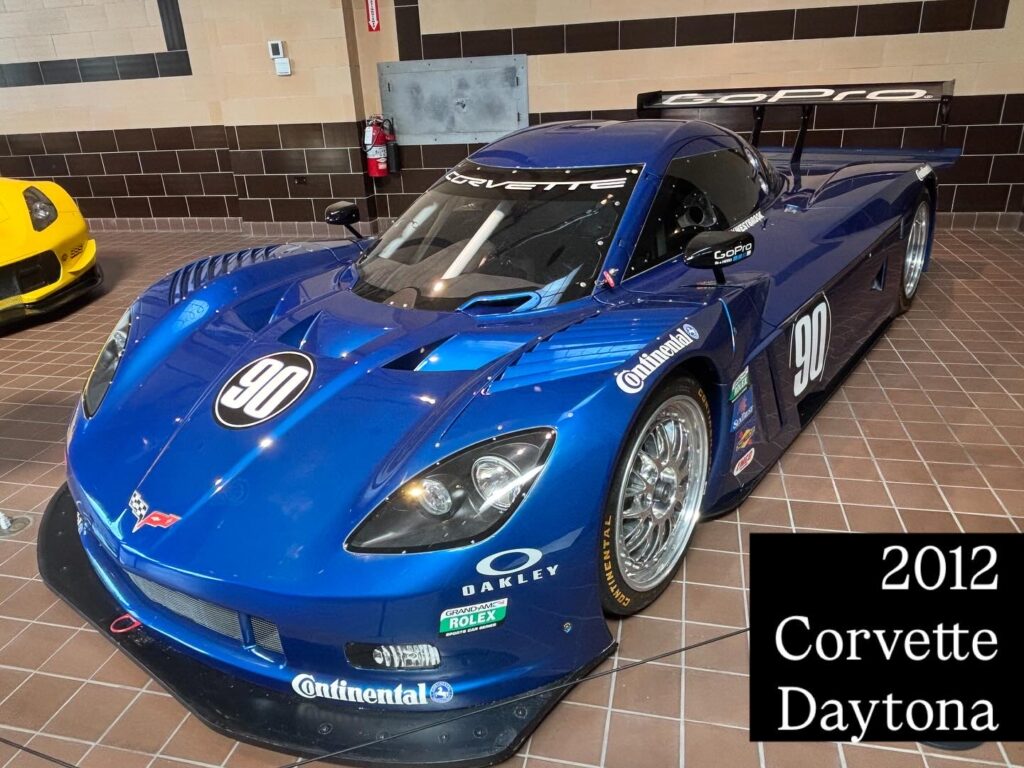
Several vehicles shown have private owners, while others are on loan from the GM Heritage Collection. This incredible collection included some of the rarest Corvettes, and also featured key, historically important models.